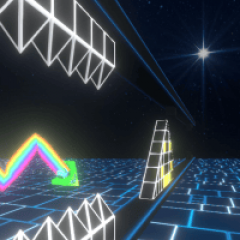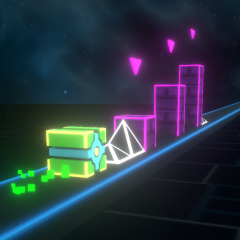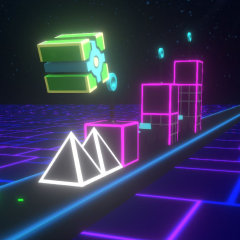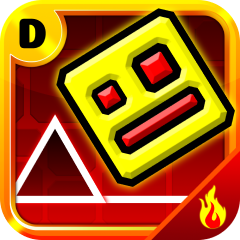
Geometry Dash Retray is a precision platformer packed with rhythmic jumps and tricky obstacles. Sharpen your timing and conquer each challenging level.
The level combines obstacle placement with music to create a natural rhythm for movement. Learning when to jump, fly, or change gravity becomes easier when you pay attention to the beat. Replaying difficult sections also helps you recognize patterns and anticipate hazards before they appear.
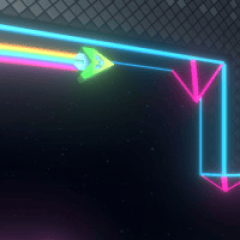
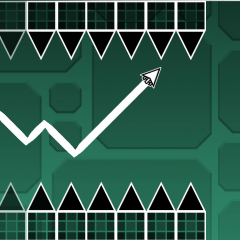
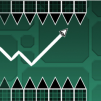
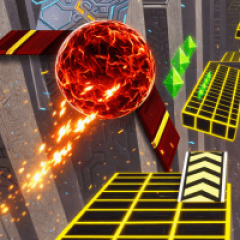
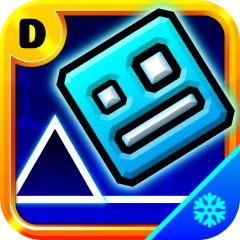
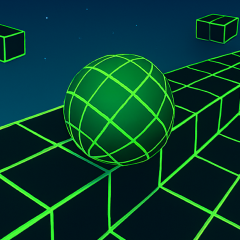
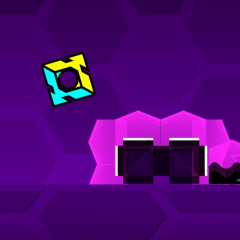
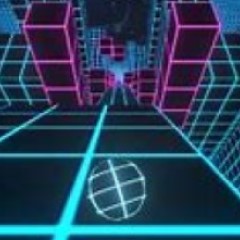
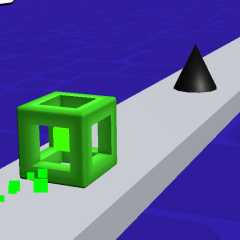
Portals introduce different movement styles during the level. Cube sections focus on precise jumps, while ship sections require controlled flying. Ball sections add gravity switching, making each tap an important decision. Speed portals can also alter how quickly the character moves, forcing you to adjust your timing as the pace changes.
The Freshness of Geometry Dash Retray
Practice Mode makes learning the level more manageable by providing checkpoints. Automatic checkpoints let you restart near recent sections, while manual checkpoints give you more control over areas that need extra attention.
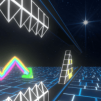
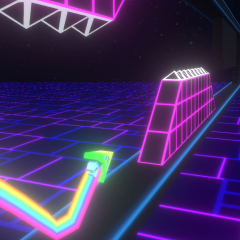
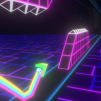
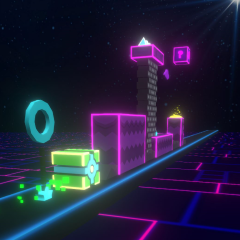
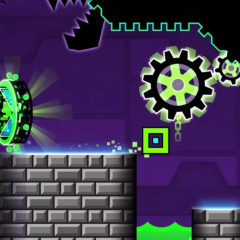
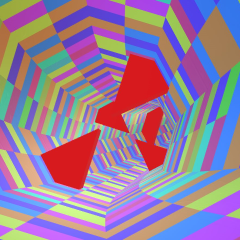
Geometry Dash Retray uses bright colors, glowing effects, particles, and smooth transitions to create an energetic presentation. The visual design keeps the level lively while maintaining clear visibility around important obstacles. Its soundtrack also supports the gameplay by giving players useful rhythm cues during demanding sections.
The controls are easy to learn, but mastering them requires consistent timing. The character moves forward automatically, so your main responsibility is controlling jumps, flight, and gravity changes.
Start by learning the layout instead of expecting to complete the level immediately. Watch for portals, speed changes, and obstacle patterns. When you fail, remember the section that caused the mistake and focus on improving that specific part during your next attempt.
Ship sections reward smooth adjustments rather than frantic movements. When using the ball, think ahead and tap only when a gravity change will improve your position. Sudden inputs can easily turn a successful run into a collision, especially after a speed portal.
Repeated attempts are an important part of Geometry Dash Retray. Instead of treating every collision as a setback, use it to identify where your timing went wrong. Over time, familiar obstacles become easier to recognize, and your reactions become more consistent.
Fast sections give you less time to respond, so looking at the upcoming path is more effective than focusing only on the obstacle directly in front of you. Once you know a section's pattern, your movements can become more predictable and controlled.