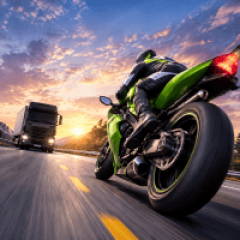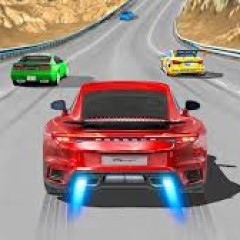
Traffic Rider is an endless motorcycle chase testing reflexes on busy highways. Ride the Traffic Rider game for fast paced thrills and high scores.
Traffic Rider offers a roster of motorcycles that differ in speed, handling, and fuel capacity. Players who prefer rapid acceleration often start with the sport bike, while those who enjoy longer runs may select a cruiser with a larger fuel tank. Each bike unlocks after completing a set of missions, so focusing on mission rewards early accelerates the upgrade path.
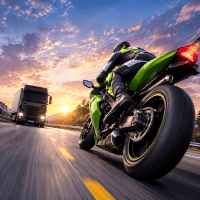
Conquer challenging obstacles with Traffic Rider
Fuel is the core resource that limits how far a rider can travel in a single run. The fuel gauge depletes steadily, but passing fuel stations refills the tank instantly. Planning routes that line up with station placement reduces the risk of running out of fuel before reaching a high‑score checkpoint. Some missions grant extra fuel as a bonus, making them valuable for endurance runs.
The highway is filled with cars, trucks, and occasional obstacles such as roadblocks. Swerving around traffic requires precise timing. Colliding with a vehicle reduces speed and may cause a brief pause. Speed boost pads appear intermittently and grant a temporary surge that helps overtake clusters of traffic. Using boosts strategically after a series of tight maneuvers maximizes distance covered before fuel runs low.
Traffic Rider updates with daily missions that challenge players to travel a certain distance, collect a number of coins, or survive for a set time. Completing these missions awards coins, experience points, and occasional premium currency. Achievements track milestones such as total distance traveled or number of successful overtakes, providing long‑term goals that keep gameplay fresh.
The game uses simple swipe gestures for lane changes and a tap for the brake. New players often find the three‑lane system intuitive after a few practice runs. Adjusting the sensitivity setting in the options menu can make swipes feel more responsive, especially on larger screens.
Upgrading a bike's engine, fuel tank, and handling yields measurable improvements. Engine upgrades increase top speed, while handling upgrades reduce the time needed to shift lanes. Fuel tank upgrades extend the distance possible before refueling, which is crucial for high‑score attempts. Players should balance upgrades based on their preferred play style rather than focusing solely on speed.